
Module 3 The Covenants Explained
 00:07:38
 00:09:20
In this lesson we will discuss
Thought Patterns and how we can change our own
Congitive restructuring and how it works
Using these patterns to enhance our connetion to God
By the end of the lesson you will know how to
identify thought patterns and change them
how restructuring works and how to apply it
Know the steps to use to help in your connection to God
Building Better Thought Patterns: How to Harness the Power of Your Mind
Our thoughts have a profound impact on our lives. They shape our beliefs, influence our actions, and ultimately determine the quality of our experiences. By understanding how our thought patterns affect our brain behaviors, we can actively work towards building healthier and more positive thinking habits. In this article, we will explore the science behind thought patterns, delve into strategies for changing our brain behaviors, and discuss how these practices can enhance our connection to God.
The Science of Thought Patterns
Thought patterns refer to the recurring mental habits that shape our perception of the world and ourselves. These patterns are formed through the connections between neurons in our brain, known as neural pathways. The more frequently we engage in a particular thought pattern, the stronger the corresponding neural pathway becomes.
Neuroplasticity, the brain's ability to reorganize and form new connections, plays a crucial role in shaping our thought patterns. Through intentional effort and repetition, we can rewire our brains and establish new, more positive neural pathways.
Changing Brain Behaviors through Cognitive Restructuring
Cognitive restructuring is a powerful technique that allows us to challenge and replace negative or unhelpful thought patterns with more positive and constructive ones. By actively identifying and reframing our thoughts, we can change our brain behaviors and create a more positive mindset.
Here are some strategies for cognitive restructuring:
Awareness: Begin by becoming aware of your thought patterns. Notice when negative or self-limiting thoughts arise and acknowledge their impact on your emotions and actions.
Challenge: Once you are aware of negative thought patterns, challenge their validity. Ask yourself if there is evidence to support these thoughts or if they are simply assumptions or distortions.
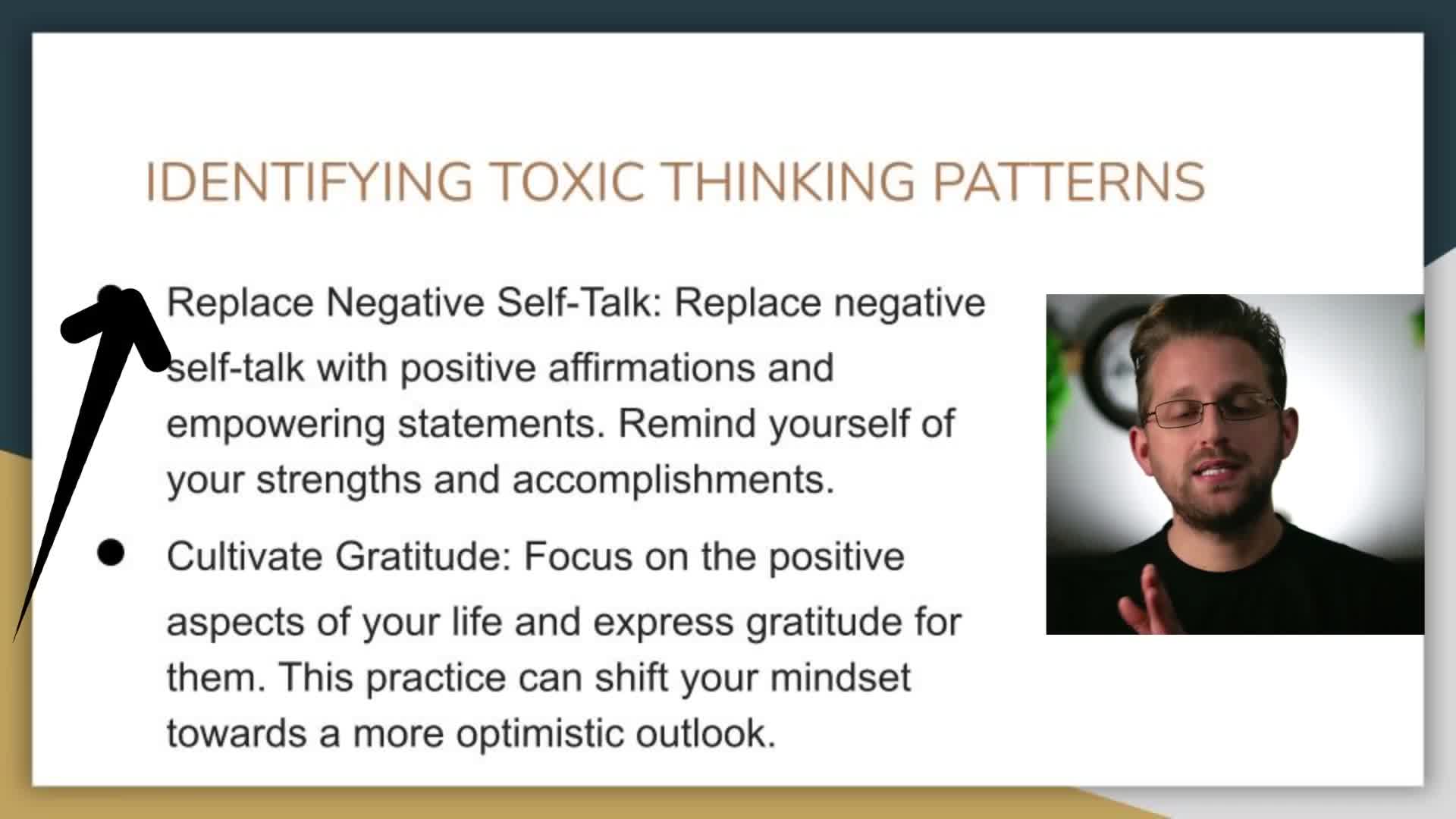
Replace: Replace negative thoughts with positive and affirming ones. Focus on realistic and empowering perspectives that align with your values and goals.
Practice: Repetition is key to rewiring the brain. Consistently practice replacing negative thoughts with positive ones until the new thought patterns become automatic.
Enhancing Our Connection to God through Positive Thought Patterns
Our connection to God is deeply influenced by our thought patterns. By cultivating positive and uplifting thoughts, we can strengthen our spiritual connection and experience a deeper sense of peace, gratitude, and purpose.
Here are some ways to use thought patterns to enhance our connection to God:
Gratitude: Practice gratitude by consciously focusing on the blessings in your life. Regularly express appreciation for the gifts and opportunities provided by God.
Affirmations: Use affirmations to reinforce your faith and align your thoughts with the teachings of your spiritual tradition. Repeat affirmations that resonate with your beliefs and values.
Meditation and Prayer: Engage in regular meditation and prayer practices to quiet the mind, cultivate inner peace, and deepen your connection to God.
Positive Self-Talk: Replace self-critical or judgmental thoughts with compassionate and loving self-talk. Treat yourself with kindness and embrace your inherent worthiness as a child of God.
Service: Engage in acts of service and kindness towards others. By focusing on the well-being of others, we connect with the divine within ourselves and foster a sense of unity with God.
It is important to remember that building better thought patterns is a continuous practice. It requires patience, self-compassion, and consistent effort. As we actively work towards rewiring our brains and cultivating positive thought patterns, we open ourselves up to a deeper and more meaningful connection with God.
Our thoughts have a significant impact on our lives and our connection to God. By understanding the science behind thought patterns, actively changing our brain behaviors through cognitive restructuring, and using these practices to enhance our connection to God, we can cultivate a more positive and fulfilling spiritual journey.
Here is what we covered in this lesson and what you should know
Thought Patterns and how we can change our own
Congitive restructuring and how it works
Using these patterns to enhance our connetion to God
By the end of the lesson you will know how to
identify thought patterns and change them
how restructuring works and how to apply it
Know the steps to use to help in your connection to God
It is recommended to fill out the worksheets before going to the next section .
 00:02:47
Show Transcripts