
Introduction
 00:26:11
 00:06:39
The problem of evil is a philosophical and theological challenge that has perplexed humanity for centuries. It addresses the apparent contradiction between the existence of evil and the belief in a benevolent and all-powerful God.
How can an all-loving and all-powerful God allow the existence of evil and suffering in the world?
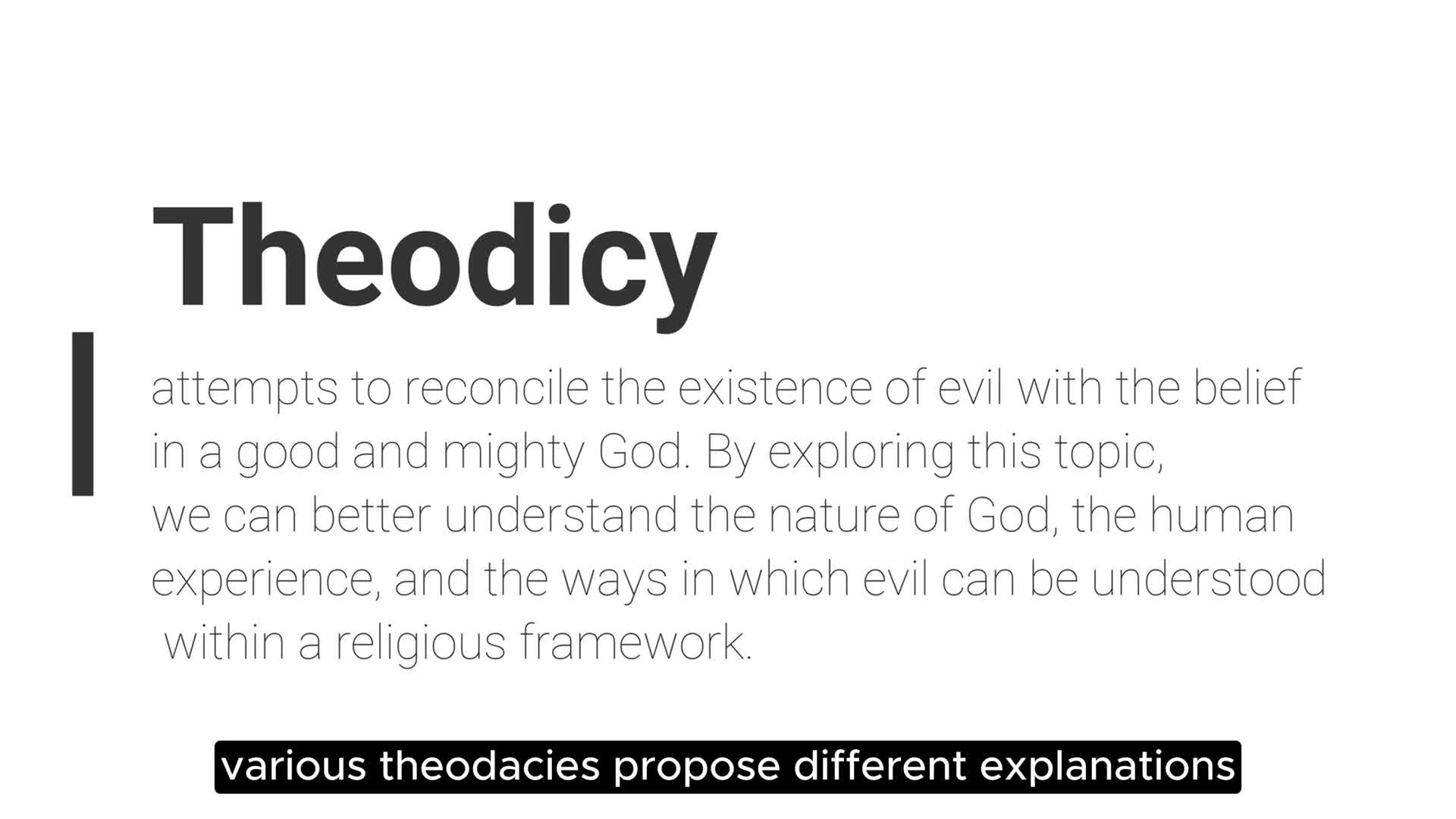
In response to this, theodicy seeks to provide explanations and justifications for the presence of evil. Theodicy attempts to reconcile the existence of evil with the belief in a good and mighty God. By exploring this topic, we can better understand the nature of God, the human experience, and the ways in which evil can be understood within a religious framework.
The Problem of Evil
Lets first define Theodicy: Theodicy is a theological concept that attempts to justify God in the face of evil. It is also defined as the defense of God's goodness and omnipotence in the face of evil.
The problem of evil arises from the observation that evil and suffering exist in the world, despite the existence of a supposedly loving and omnipotent God. It questions why a benevolent God would permit such pain and injustice to occur. This dilemma challenges our understanding of God's attributes and raises doubts about His existence, goodness, or power. In states in James 1:2-4 - "Consider it pure joy, my brothers and sisters, whenever you face trials of many kinds, because you know that the testing of your faith produces perseverance."
However, it is important to note that evil and suffering are not necessarily evidence against God's existence or goodness. The presence of evil could be attributed to human free will, natural disasters, or the consequences of living in a fallen world. Understanding the problem of evil requires exploring different perspectives and theological explanations.
 00:10:11
In this lesson we will discuss
- Identifying toxic thought patterns
- the impact they have on your mind
By the end of this lesson you will know how to
- address these patterns
- stop them
- and learn how to re frame them
Breaking Free from Toxic Thinking Patterns: Identifying, Addressing, and Overcoming Them
You have heard it before we are what we think about. If we are thinking about something hard or long enough we can and you probably have found a way to get that thing. It is important to understand and identify these patterns as they can take us way off course if we are not careful .
In this lesson we will discuss
how to identify these patterns
the impact these patterns have on our lives and our faith
how to deal with these patterns
how to free ourselves from them
By the end of this lesson you will know how to identify, understand, deal with, and fix your negative thought patterns.
Our thoughts have a powerful impact on our emotions, behaviors, and overall well-being. Positive and constructive thoughts can uplift us, while negative and toxic thinking patterns can drag us down and hinder personal growth. In this article, we will explore how to identify toxic thinking patterns, understand their impact, and provide strategies to break free from them.
Identifying Toxic Thinking Patterns
Recognizing toxic thinking patterns is the first step towards overcoming them. Here are some common toxic thinking patterns:
All-or-Nothing Thinking: This pattern involves viewing situations in extreme terms, such as black or white, good or bad, without considering any middle ground.
Overgeneralization: It involves making sweeping conclusions based on a single negative event or experience.
Personalization: This pattern involves taking everything personally, assuming that others' actions or words are always directed at you.
Catastrophizing: It involves magnifying and exaggerating the negative aspects of a situation, assuming the worst possible outcome.
Emotional Reasoning: This pattern involves making decisions and judgments based solely on emotions, disregarding rational thinking.
By becoming aware of these patterns, you can start challenging and reframing your thoughts to break free from their negative influence.
The Impact of Toxic Thinking Patterns
Toxic thinking patterns can have significant consequences on our mental and emotional well-being. They can lead to increased stress, anxiety, depression, and a decreased sense of self-worth. These patterns can also affect our relationships, as they often lead to misunderstandings, conflicts, and a negative perception of others.
Furthermore, toxic thinking patterns can hinder personal growth and prevent us from reaching our full potential. They limit our ability to take risks, embrace change, and learn from our experiences. Over time, these patterns can become ingrained, making it challenging to break free from their grip.
Addressing Toxic Thinking Patterns
Once you have identified your toxic thinking patterns, it's essential to address them head-on. Here are some strategies to help you overcome them:
Challenge Negative Thoughts: When you catch yourself engaging in toxic thinking, challenge the validity of those thoughts. Look for evidence that supports or contradicts them.
Practice Self-Compassion: Treat yourself with kindness and understanding. Replace self-criticism with self-compassion, acknowledging that everyone makes mistakes and has room for growth.
Seek Different Perspectives: Try to see situations from different angles. Consider other people's viewpoints and empathize with their experiences.
Replace Negative Self-Talk: Replace negative self-talk with positive affirmations and empowering statements. Remind yourself of your strengths and accomplishments.
Cultivate Gratitude: Focus on the positive aspects of your life and express gratitude for them. This practice can shift your mindset towards a more optimistic outlook.
Breaking Free from Toxic Thinking Patterns
Breaking free from toxic thinking patterns is an ongoing process that requires persistence and self-reflection. Here are additional strategies to help you on your journey:
Mindfulness and Meditation: Cultivate mindfulness to observe your thoughts without judgment. Meditation can help you develop awareness and detach from negative thinking patterns.
Surround Yourself with Positive Influences: Seek out supportive and positive individuals who can help counteract toxic thinking patterns. Engage in activities that bring you joy and inspire positivity.
Practice Self-Care: Prioritize self-care activities that promote your well-being, such as exercise, healthy eating, quality sleep, and engaging in hobbies.
Professional Help: If toxic thinking patterns persist and significantly impact your daily life, consider seeking support from a mental health professional. They can provide guidance and tools tailored to your specific needs.
Remember, breaking free from toxic thinking patterns takes time and effort. Be patient with yourself and celebrate small victories along the way. With dedication and the right strategies, you can create a healthier and more positive mindset.
By identifying, addressing, and actively working to overcome toxic thinking patterns, you can pave the way for personal growth, improved mental well-being, and more fulfilling relationships.
In this lesson we will discuss
how to identify these patterns
the impact these patterns have on our lives and our faith
how to deal with these patterns
how to free ourselves from them
Now you should know how to identify, understand, deal with, and fix your negative thought patterns.
Show Transcripts