
Module 5 The Gospels
 00:02:57
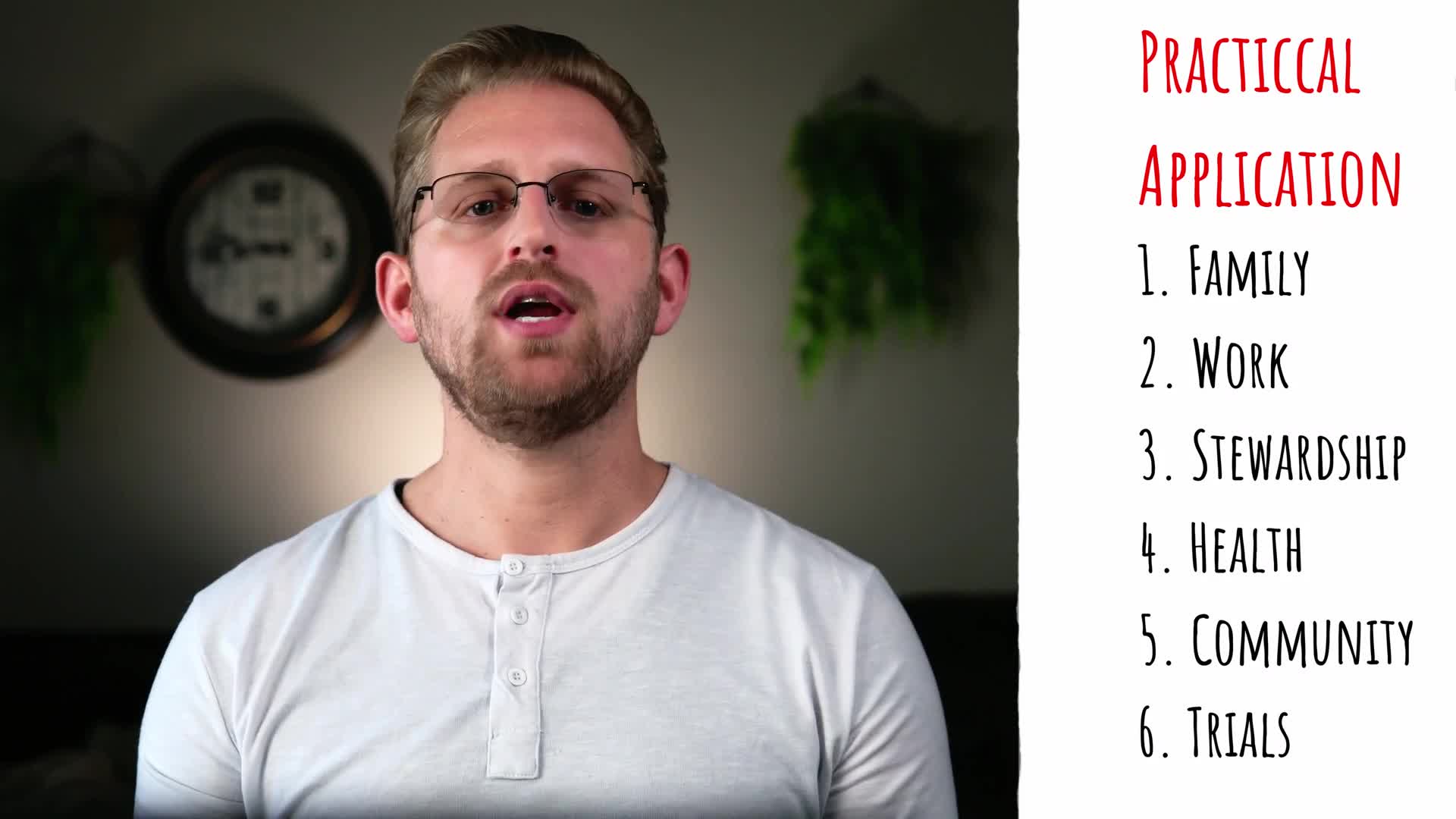
In this module we will discuss the 5 part daily practice routine below . By the end of this lesson you will be able to implement a routine that works for you.
Morning Prayer and Gratitude: (5 minutes)
Scripture Reflection: (10 minutes)
Prayerful Intercession: (5 minutes)
Mindful Meditation: (5 minutes)
Evening Reflection and Gratitude: (5 minutes)
By the end of this lecture you will be able to set up your own daily routine with ease.
Implementing daily practices is about consistency, intention, and reflection. These are the tools that help integrate your faith into every part of your day.
Practice Number One: Mindful Mornings
Start your day by setting the tone of your mindset. Take a moment each morning to meditate or pray for 5 minutes. Focus on gratitude or a specific goal you have related to your faith. Visualize your day unfolding with positivity and purpose.
Practice Number Two: Faith-Focused Affirmations.
Words have power, and affirmations can rewire your brain towards a faith-oriented attitude. Write down three faith-based affirmations and repeat them to yourself throughout the day. For example: 'My faith guides me in all I do.
Practice Number Three: Reflective Journaling.
Take 10 minutes each evening to reflect on your day. Write about moments where you felt your faith was tested and how you responded. Acknowledge your strengths and areas for growth. This reflective practice will deepen your understanding of your faith journey.
Practice Number Four: Acts of Kindness."
Faith is as much about actions as it is about belief. Find one small way each day to act from a place of faith – whether it's offering a helping hand, giving a compliment, or donating to a cause you believe in. Let your faith guide you to contribute positively to the world around you.
And Practice Number Five: Evening Gratitude.
End your day as you began it - with gratitude. Before you go to sleep, take a moment to thank your faith for the guidance it's provided and for the strength it will continue to give you.
These five daily practices are designed to take no more than 30 minutes of your day but have the power to transform your entire life. By integrating these actions, you'll notice a shift in your mindset, your emotions, and your faith's presence in everyday moments.
 00:33:42
 00:03:45
In this module we will discuss the 5 parts to developing a positive mindset -
Neuroplasticity
- Biblical Thanksgiving
- Stress Reduction
- Community power
- Biblical Declarations
By the end of this module you will...
- Understand how to use Science to aid in developing a more positive mindset - Understand how each of these 5 parts plays a big role
- Know how to use each part in your daily routine By integrating positive affirmations rooted in biblical truths, we unlock a potent blend of both psychological and spiritual empowerment.
We're speaking life into our minds and hearts, reinforcing the unshakable truth of God's love, power, and provision. It's like flexing our faith muscles and standing strong!
"Faith is more than just an abstract concept—it's an active force. To give life to our beliefs, we must manifest them through our actions. 'Faith In Action' is about aligning what we do with what we believe in our hearts to be true and possible."
"First and foremost, identify your Faith Anchor Points—these are your core beliefs that hold your faith steady. Ask yourself, what truths resonate with me deeply? Whether it's the belief in your abilities, the power of positivity, or the importance of compassion, write these down. These anchor points are your foundation as we move forward."
"With your Faith Anchor Points in place, it's time to set Intentional Goals. What do you aspire to achieve with the strength of your faith? Whether it's personal growth, overcoming a challenge, or contributing to your community, goal setting gives your faith a direction and purpose."
"Next, create an Action Plan. Break down your Intentional Goals into tangible steps. For example, if one of your goals is to become more patient, an action step could be practicing mindfulness for 5 minutes each morning. This creates a daily habit that embodies the essence of your faith."
"Faith grows when tested. So, embrace Opportunities for Growth. Seek out moments that challenge your faith because it's within those moments that you'll find your true strength. A tip here is to keep a journal where you note down these experiences and reflect on how you've navigated them."
"Finally, Reflect and Adjust. Periodically check in with yourself. Are your actions in alignment with your beliefs? If not, what needs to change? This step is crucial in ensuring that your faith doesn't just stay in motion, but also evolves and strengthens."
Show Transcripts